

Blog
NZ Garden Bird Guide: Tui (Tūī)
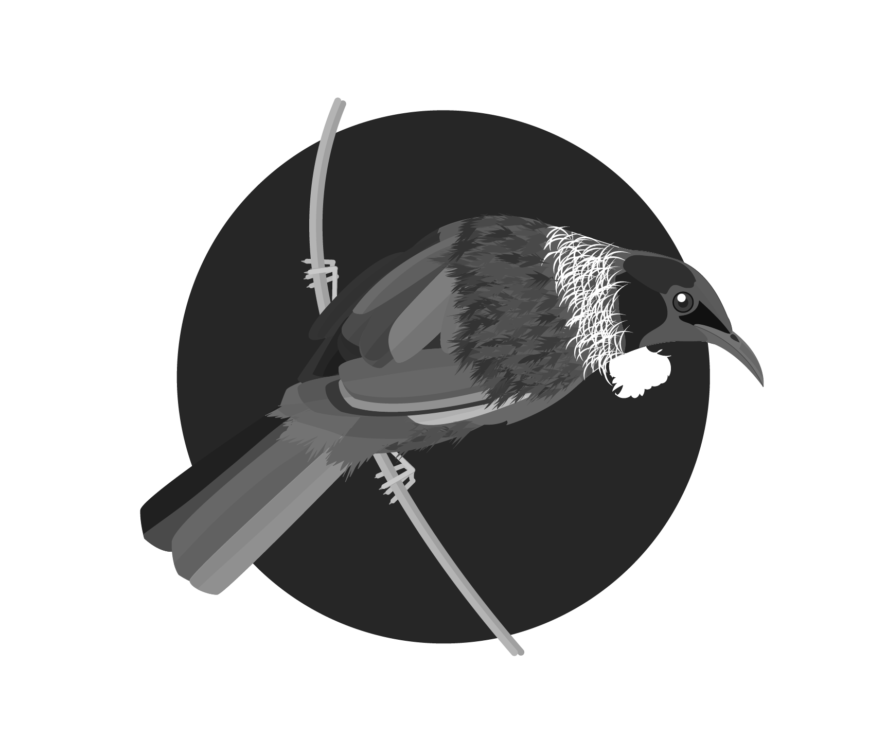
The Tui (Tūī) is a native New Zealand bird often seen in gardens, parks and food forests. Learn to identify it, understand what it eats, and plant to support native birdlife in your backyard.
Take part in the annual NZ Garden Bird Survey and record species like the tui visiting your garden.
The Tui (Prosthemadera novaeseelandiae) is one of New Zealand’s most distinctive and beloved native birds. Known for its iridescent plumage and complex vocalizations, the Tui is a common sight in forests, gardens, and urban areas across the country.
Appearance
Tuis are medium-sized birds, about 30 cm in length. They have a glossy black plumage with iridescent blue, green, and bronze hues, particularly noticeable in sunlight. A distinctive feature of the Tui is the tuft of white feathers on its throat, known as poi. Both males and females have similar plumage, though males are slightly larger.
Habitat and Distribution
Tuis are found throughout New Zealand, including the mainland and many offshore islands. They inhabit a variety of environments, from native forests and scrublands to suburban gardens and urban parks. Their adaptability to different habitats has contributed to their widespread distribution.
Diet
The diet of Tuis primarily consists of nectar from native flowers, such as kowhai, flax, and pohutukawa. They also feed on fruits, insects, and occasionally pollen. Their brush-tipped tongues are specially adapted to extract nectar, and they play a crucial role in pollinating many native plants.
Behavior and Song
Tuis are known for their complex and varied vocalizations, which include a mixture of bell-like notes, clicks, cackles, and wheezes. They are also capable of mimicking other birds and environmental sounds. Tuis are generally solitary or seen in pairs, but they can be quite aggressive, especially when defending their food sources. Their flight is characterized by noisy wingbeats and acrobatic maneuvers.
Breeding
The breeding season for Tuis in New Zealand typically runs from September to January. They build cup-shaped nests in the forks of trees, using twigs, grass, and feathers. The female lays 2-4 eggs per clutch and is responsible for most of the incubation. Both parents participate in feeding the chicks once they hatch.
Conservation Status
The Tui is not currently considered threatened and has a stable population across New Zealand. Conservation efforts, such as habitat restoration and predator control, have helped support Tui populations. Their presence in both urban and rural areas highlights their adaptability and resilience.
Conclusion
The Tui is a unique and vibrant part of New Zealand’s avian community. Its striking appearance, complex song, and ecological role make it a favorite among bird enthusiasts and nature lovers. Protecting their habitats and ensuring the balance of native ecosystems will help maintain healthy Tui populations for future generations to enjoy.
Garden birds & biodiversity
- NZ Garden Bird Survey — count birds in your garden (annual citizen science)
- All NZ garden bird guides
- Food forests — layered planting for bird habitat and food
- Grower tools — planting calendars and ecosystem planning
More NZ garden bird guides: Bellbird (Korimako) · Blackbird · Chaffinch · Dunnock · Fantail (Pīwakawaka) · Goldfinch · Greenfinch · Grey Warbler (Riroriro) · view all